The evolution of casinos A journey through history and culture
The Origins of Gambling
The history of casinos is deeply intertwined with the origins of gambling itself. Ancient civilizations, such as the Chinese and Romans, engaged in various forms of betting, laying the groundwork for modern gaming establishments. In ancient China, evidence suggests that gambling activities were prevalent as early as 2300 BC, with games involving dice and betting on outcomes. Similarly, the Romans hosted lavish gaming events in public spaces, underscoring the social aspect of gambling that continues to resonate today. Among the many games that have gained popularity, Aviator stands out as a fascinating option with its unique structure and community engagement.
As societies evolved, so did the methods of gambling. The medieval period saw the establishment of gaming houses across Europe, where individuals could partake in games of chance. These early establishments were the precursors to modern casinos, creating a cultural shift where gambling became more accepted and integrated into social gatherings, further enriching the tapestry of gaming history.
The Rise of the Casino Culture
The 17th century marked a significant turning point with the establishment of formal casinos. The first official casino, the Ridotto, opened in Venice in 1638, providing a controlled environment for gambling, complete with regulations and a set of house rules. This innovation heralded the birth of the modern casino, where patrons could enjoy a variety of games in a luxurious setting. The spread of casino culture across Europe was swift, with establishments flourishing in cities like Monte Carlo and Paris, becoming synonymous with elegance and entertainment.
The allure of casinos attracted not just gamblers but also the upper echelons of society, transforming them into social hubs where individuals could socialize, dine, and revel in the excitement of games. The concept of the casino as a multifaceted entertainment venue became deeply rooted in the culture of the time, influencing perceptions of gambling and its role in society.
The American Casino Boom
The evolution of casinos took a dramatic turn in the United States during the 20th century. The legalization of gambling in Nevada in 1931 led to the rapid development of Las Vegas as the epicenter of casino culture. The city quickly transformed, featuring extravagant resorts and themed casinos that captivated visitors from around the world. This phenomenon not only reshaped the landscape of gambling but also established Las Vegas as a cultural icon.
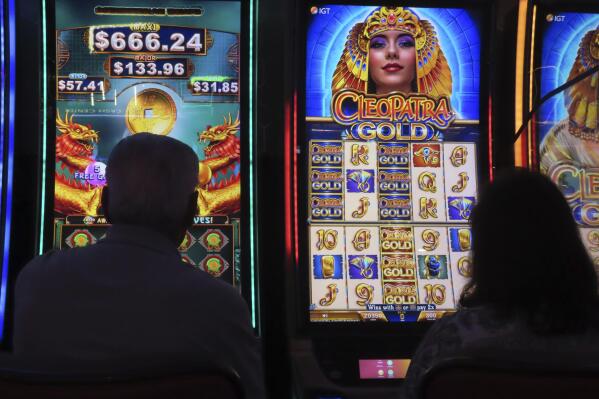
As the gambling industry grew, so did the innovations within casinos. The introduction of slot machines revolutionized the gaming experience, allowing for greater participation among players who may have been intimidated by traditional table games. The blending of entertainment and gaming reached new heights with elaborate shows, fine dining, and nightlife, solidifying the casino’s status as a premier destination for leisure and excitement.
Technological Advancements and the Digital Age
The late 20th and early 21st centuries heralded a new era in the evolution of casinos with the advent of technology. Online gambling emerged as a disruptive force, allowing players to enjoy their favorite games from the comfort of their homes. Virtual casinos proliferated, offering a wide range of games, including innovative options like live dealer games that replicate the in-casino experience.
Mobile technology further transformed the industry, enabling users to gamble on-the-go. This evolution has made gambling more accessible, attracting a younger audience and reshaping the demographic landscape of casino patrons. The integration of advanced analytics and responsible gaming measures has also enhanced transparency and player engagement, ensuring that the evolving landscape of casinos continues to meet the needs of modern gamblers.

Exploring the Future of Casinos
The future of casinos looks promising as they continue to adapt to the ever-changing cultural and technological landscape. With the rise of virtual reality and augmented reality, casinos are exploring new ways to create immersive gaming experiences that transport players into exciting and interactive environments. This not only enhances engagement but also attracts a new generation of gamers seeking novel experiences.
Additionally, the cultural significance of casinos persists, as they remain a staple of entertainment and social interaction. As they evolve, casinos will likely continue to bridge the gap between traditional gaming and modern technological advancements, ensuring their place in both history and contemporary culture.